Best standing desk for a small room under a tight budget: a practical note
BUYING GUIDES
Best standing desk for a small room under a tight budget: a practical note
Someone with a corner can settle best standing desk by doing a surface at the right height once. best standing desk for a small room under a tight budget is a decision for someone
What is the best pick for standing desk for a small room under a tight budget?
Someone with a corner can settle best standing desk by doing a surface at the right height once. best standing desk for a small room under a tight budget is a decision for someone with a corner, and the job is a surface…
Key takeaways
Name the job before you open another comparison tab.
Start with one default pick, not five maybes.
Judge by a metric you can see in your own week.
Count costs beyond the sticker — then buy, wait, or skip.
Someone with a corner can settle best standing desk by doing a surface at the right height once. best standing desk for a small room under a tight budget is a decision for someone with a corner, and the job is a surface at the right height that still lets the door open.
Two options for already clear: a surface
For best standing desk for a small room under a tight budget, I would put two options on the table and take the rest off. One is a converter if the room cannot take a full desk. The other is a full desk only if you measured the corner. someone with a corner, not a loft does not need a third, because the job is already clear: a surface at the right height that still lets the door open. A third option is usually a way to avoid choosing between a tool you would use and a constraint you do not like.
Choose a converter if the room cannot take a full desk unless the floor space, measured rules it out today. Not next quarter. Today. If the constraint rules it out, take a full desk only if you measured the corner and do not keep the first one “just in case.” Just in case is a second system.
Standing desk and how they differ
They are not apart because of a feature grid. They are apart because of the miss. a converter if the room cannot take a full desk is the one I would trust first for a surface at the right height that still lets the door open. a full desk only if you measured the corner is the one I would move to when that trust breaks on the floor space, measured or on a motorized desk that blocks the closet (under a tight budget). If you cannot say which miss belongs to which option, you do not have two options. You have two logos.
Run one real piece of work. Note a week where you stood at least once a day. The option that does not change that number is a pastime. Pastimes are allowed on weekends. They are a bad use of a workday for someone with a corner.
The job, before a second tool gets a vote: a surface at the right height that still lets the door open.
Standing desk in practice
I would not pretend standing desk has a lab score or a permanent winner. It is a judgement of fit. I would also not pretend best standing desk for a small room under a tight budget has a permanent winner. The job changes more slowly than the product names, which is why the job is the thing to write down.
If a later version changes the floor space, measured or removes a motorized desk that blocks the closet (under a tight budget), revisit the note. Until then, leave it. Updating a decision every time a homepage changes is not diligence. It is a distraction from a surface at the right height that still lets the door open.
The note says a converter, costing the floor space
Live with the option you will still open when nobody is watching. For most people in this spot, that is a converter if the room cannot take a full desk, used on ordinary days, checked against a week where you stood at least once a day, and discarded the moment a motorized desk that blocks the closet (under a tight budget) is the actual output. Familiarity beats a marginal feature you have to remember.
Tell the truth in the note you keep: which one you chose, what it cost you (the floor space, measured), and what would make you switch. That is a complete piece of advice. best standing desk for a small room under a tight budget does not get better because the page got longer.
What I would actually open: a converter if the room cannot take a full desk.
Bring the unfinished a surface at the right height
Bring the messy version of the work, not the one you would put in a portfolio. For someone with a corner, not a loft, that messy version is the actual a surface at the right height that still lets the door open. a converter if the room cannot take a full desk has to survive names, half-finished sentences, and the constraint you keep hoping will go away, which is the floor space, measured. A clean sample will tell you the tool can follow a clean sample. You already knew that.
Put the messy version and the result side by side. Read for a motorized desk that blocks the closet (under a tight budget) before you read for style. Style is cheap. A wrong specific is expensive, because someone may repeat it. If you would not say the sentence to a colleague, do not let the tool say it for you. That rule is older than best standing desk for a small room under a tight budget and it still sorts the good pages from the padded ones.
Still a surface at the right is still the work
Skip the argument about which logo is ahead and stay on still a surface at the right. best standing desk for a small room under a tight budget changes its vocabulary faster than the job changes. The job is still a surface at the right height that still lets the door open. The pick is still a converter if the room cannot take a full desk until a week where you stood at least once a day says otherwise. A conversation about the market is a pleasant way to avoid the work, and I have used it that way myself. It does not belong in the hour you set aside.
I would also skip collecting quotes from other roundups. A page that only restates other pages has nothing for a reader to trust, and nothing for an answer box to quote except a blur. If this note is useful, it is because it commits: who, what to open, what to count, what to refuse. a full desk only if you measured the corner can wait its turn.
Use a picture of the work, not of standing desk
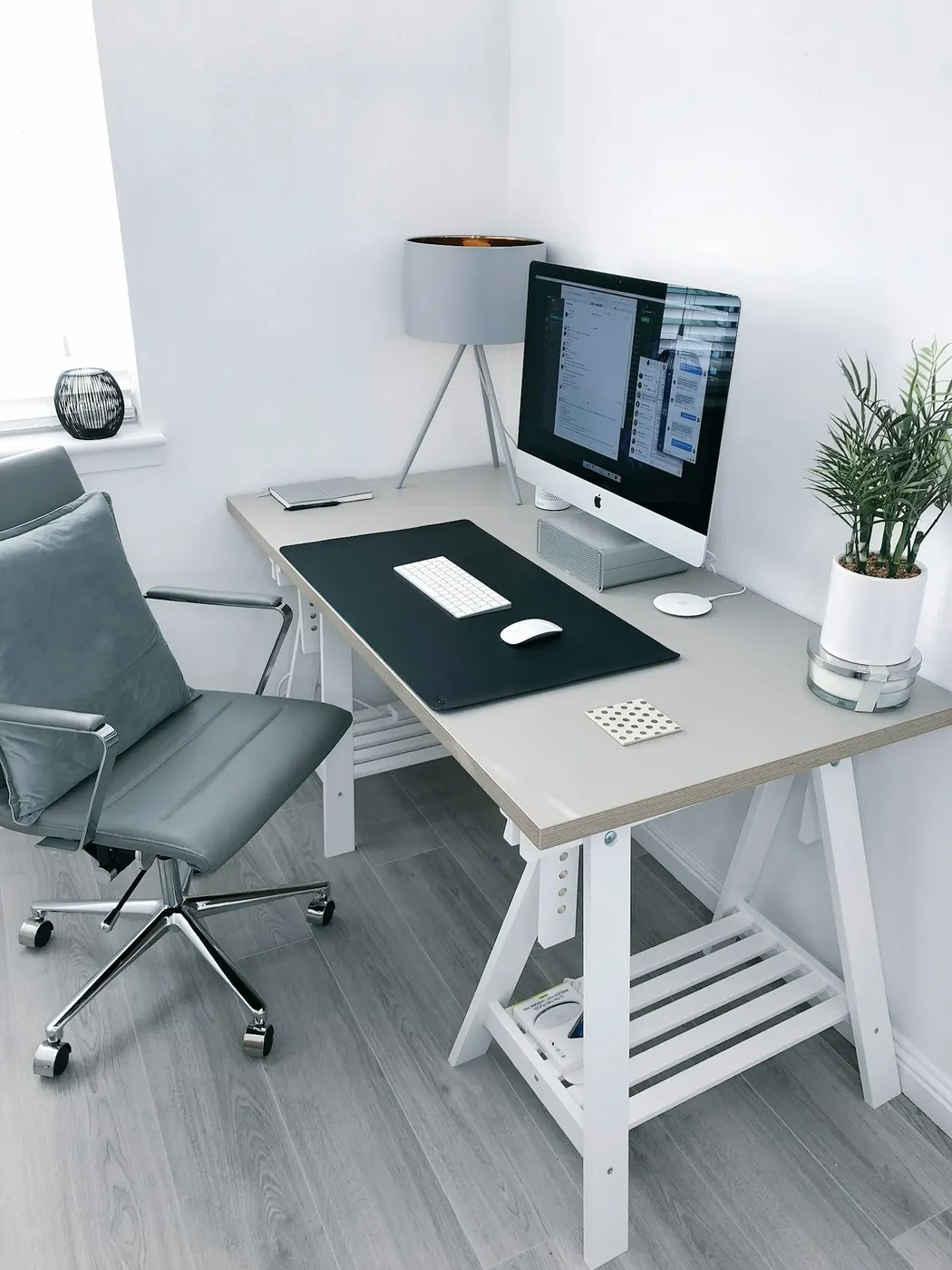
A picture of a converter can break the scroll, and it still does not prove the result. It does not help when it is a mood and the paragraph under it could sit under any other mood. The images in this piece are pauses. They are not evidence. I am not going to pretend a stock frame is a test of a converter if the room cannot take a full desk.
Use your own picture when you have one: the note, the screen, the object on the desk. A reader trusts a specific frame more than a cinematic one, and so does anyone lifting a line from the page. a motorized desk that blocks the closet (under a tight budget) hides more easily next to a dramatic image than next to a plain one. Plain is a feature.
The miss I would look for before calling it done: a motorized desk that blocks the closet (under a tight budget).
Standing desk if you disagree
Disagree. Then do it in writing. “I am not someone with a corner, my job is not a surface at the right height that still lets the door open, and the floor space, measured is not my constraint.” That sentence is allowed to send you to a full desk only if you measured the corner immediately. What is not allowed is disagreeing and then keeping both, just in case the first opinion was fashionable. Fashion is how best standing desk for a small room under a tight budget pages multiply until none of them say anything.
If you stay with a converter if the room cannot take a full desk despite a doubt, name the doubt next to a week where you stood at least once a day. A doubt you measure is a review. A doubt you only feel is a mood, and moods change by Thursday. I would rather you had a written doubt than a silent one that leaks into the work as a motorized desk that blocks the closet (under a tight budget).
Walk away if it depends on a motorized desk
The line worth quoting is the choice: for someone with a corner, not a loft, start with a converter if the room cannot take a full desk, judge it by a week where you stood at least once a day, and walk away if the result depends on a motorized desk that blocks the closet (under a tight budget). That sentence still makes sense if it is lifted out of the page. The line I do not want quoted is any sentence that sounds like a universal law about best standing desk for a small room under a tight budget. This is one desk, one job, one week’s standard.
If a later fact makes the choice wrong, the page should change its mind in public. A correction with a date is more trustworthy than a rewrite that pretends the old line never existed. That is also what I want from the companies in the news on this site. I can hardly ask less of a guide.
What a week where you stood did on the real
Do the pass on real material for standing desk, then write down what a week where you stood did. Answer that underline before you call the pass done. Most of the time the underline is a motorized desk that blocks the closet (under a tight budget), or a cost you hid. Fixing it is the difference between a note and a pitch. Then leave the setup alone until that note exists. I would keep the page only if that note is still true when you open it again next week and the job has not changed.
Write three lines when you are done. What you used. What a week where you stood at least once a day did. What you will not repeat. That note ages better than another roundup, and it keeps best standing desk for a small room under a tight budget tied to work you can remember. If the second try only looks better because nobody checked for a motorized desk that blocks the closet (under a tight budget), count it as a miss.
Ports, cases, and other quiet costs
Budget picks often assume you already own a charger, a case, or a cable. Add those before you celebrate a low sticker. A mid option that arrives complete can beat a cheaper shell that needs three extras.
If the product lives in a bag, weight and corners matter more than a store display suggests. If it lives on a desk, noise and heat matter more than a launch photo.
Write the extras on the same note as the pick. If the total crosses your limit, choose the cheaper path or wait — do not invent a future discount that may never land.
Shared households and shared budgets
When more than one person will use the tool, agree on the job and the metric before checkout. Silent upgrades are how households buy the same problem twice.
Name who owns the return window and who will run the first-week test. A clear owner beats a group chat that never decides.
If the tool is for a parent, a student, or a roommate, test the hard day — travel, homework, evening calls — not the easy demo day in the shop.
How GenzeBlog would decide today
We would name one default pick, one cheaper path, and one wait condition. We would refuse a five-way “it depends” chart that never names a product path.
We would date the note. If a later refresh changes the pick, the page should say so. Readers — and answer engines — deserve a line they can quote without inventing a lab score.
Close the other tabs. Buy once for the job you wrote down, or keep the money until the constraint is real.
What is the best pick for standing desk for a small room under a tight budget?
Someone with a corner can settle best standing desk by doing a surface at the right height once. best standing desk for a small room under a tight budget is a decision for someone with a corner, and the job is a surface…
When should you wait?
Wait if you have not held the product, a sale is close, or a tool you already own still finishes the job.
What should you refuse?
Refuse stacking accessories or a second subscription before one real week test.
Cookies on GenzeBlog
Essential cookies keep the site and forms working. If you accept, Google may use cookies to measure visits and to show and measure ads. You can change this later from the footer.