
How to turn on a hardware security key on a small site
The useful version is shorter than the advice around it. turn on a hardware security key on a small site is a decision for someone who can lose a phone, and the job is add a key to
The useful version is shorter than the advice around it. turn on a hardware security key on a small site is a decision for someone who can lose a phone, and the job is add a key to
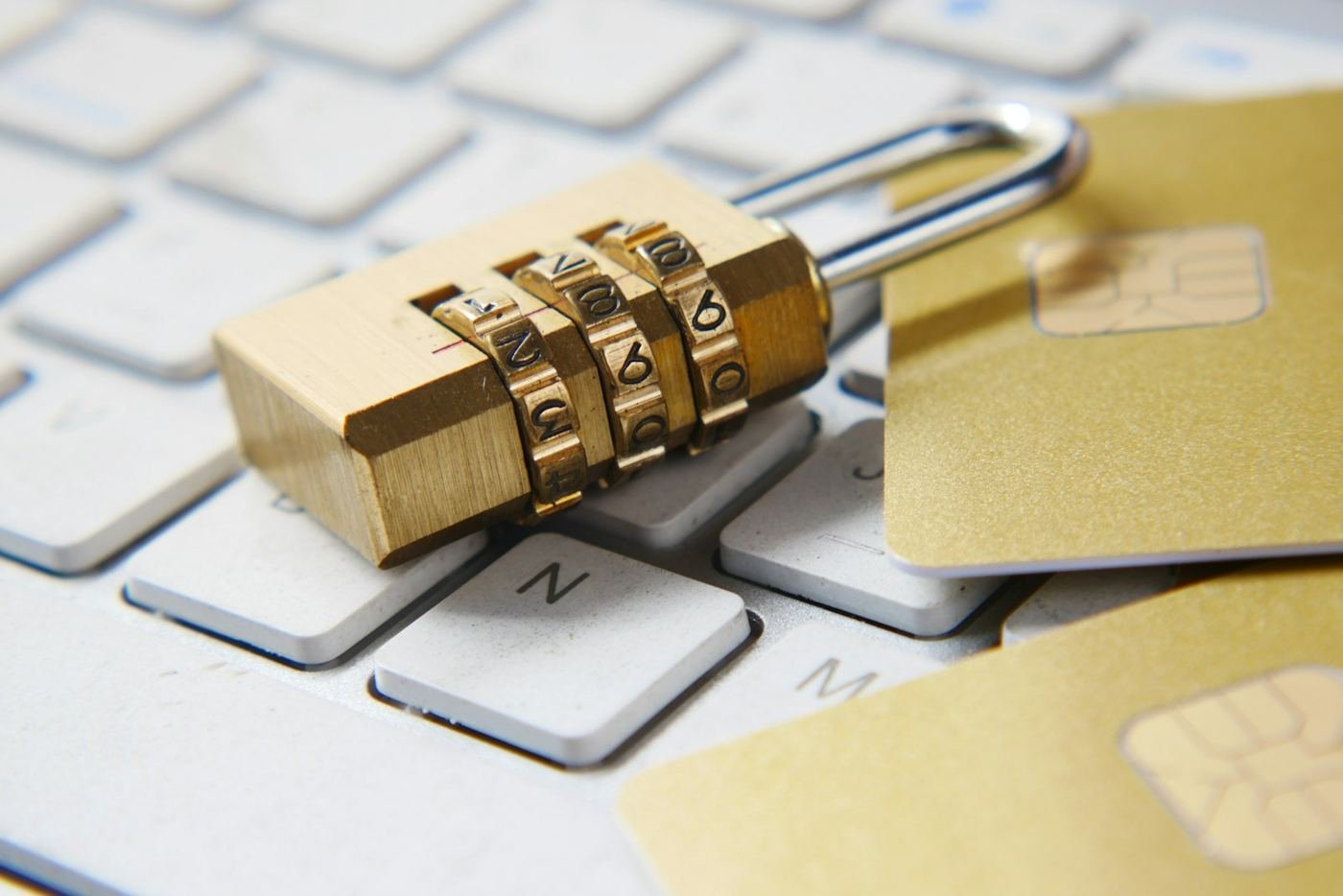
For someone who can lose a phone, turn on a hardware security key on a small site comes down to one key on the account and a second key in a drawer. The job is add a key to email and the password manager (on a small site). Keep it if a login that still works when the phone is gone moves, and switch to app-based codes as the backup, not SMS if you can avoid it only when two.
Someone who can lose a phone can settle turn on a hardware security by doing add a key to email once. turn on a hardware security key on a small site is a decision for someone who can lose a phone, and the job is add a key to email and the password manager (on a small site).
The common miss with turn on a hardware security key on a small site is not a lack of options. It is a single key with no backup. I have watched that one get mistaken for a finished result, especially by someone who can lose a phone. The output looks clean, so nobody goes back to the job, which was add a key to email and the password manager (on a small site). Then a week later the clean version has to be redone, and the tool is blamed for a check nobody ran.
So start there. Before you admire a result, ask whether it survives that particular miss. If it does not, it is not a preview of success. It is the failure mode, dressed up.
I would still use one key on the account and a second key in a drawer. A known miss is not a reason to try five replacements before lunch. It is a reason to keep the check close to the work. app-based codes as the backup, not SMS if you can avoid it comes in when one key on the account and a second key in a drawer cannot meet two keys, bought together, not when you are irritated.
Put the check where you will see it. A line in the same note as the job is enough: “look for a single key with no backup.” People skip checks that live in a separate document. They do not skip a sentence sitting above the work.
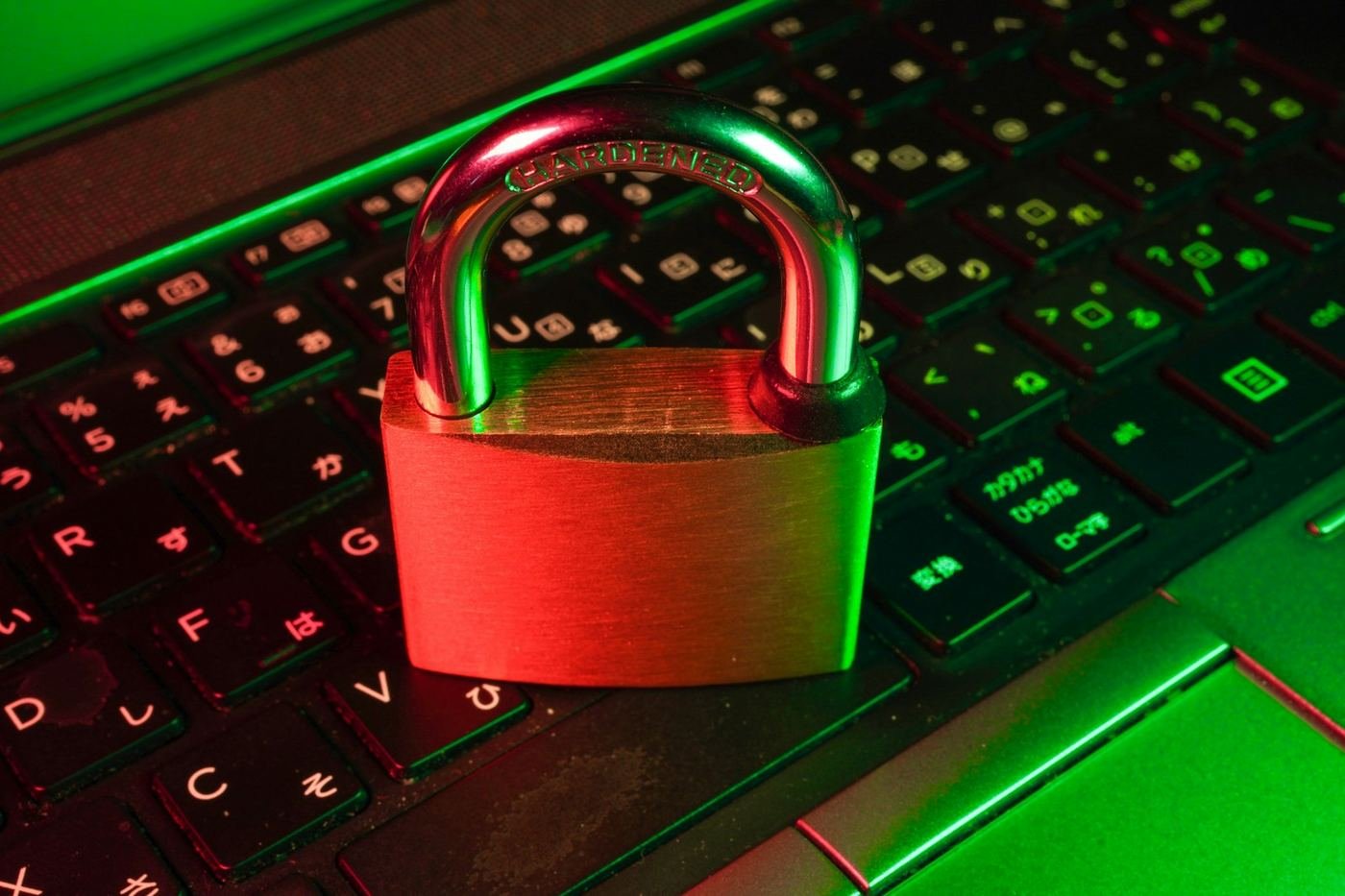
A fair test uses your material. For someone who can lose a phone, that means one real artifact: a brief, a broken setup, a product you already own, a page you were going to publish. Run it without the new thing and note a login that still works when the phone is gone. Run it with one key on the account and a second key in a drawer. Keep both. If you only keep the prettier one, you have thrown away the comparison.
Five uses is enough to learn. Fifty uses of a sample file is not. If a login that still works when the phone is gone will not move on real work, more samples will not save it. Stop, and spend the attention on the job itself.
If a colleague asks about turn on a hardware security key on a small site, do not forward them a list. Tell them the job, the pick, the constraint, and the miss. That is add a key to email and the password manager (on a small site), one key on the account and a second key in a drawer, two keys, bought together, and a single key with no backup. They can disagree with the pick. They cannot do much with a pile of logos.
This is a desk judgement, not a measurement from a lab and not an average of store ratings. If your constraint is different, the pick should be different too. Say so when you pass the note on.

Here is the hour, without the pep talk. Minute zero: write add a key to email and the password manager (on a small site) at the top, and two keys, bought together under it. Minute ten: open one key on the account and a second key in a drawer on material you already had, not material you invented to be fair to the tool. Minute thirty: you should have a draft, a setting, a shortlist of one, or a clear failure. If you have a tour of features, start the hour over and do not count the first one.
Minute forty-five: look for a single key with no backup with the same attention you gave the nice parts. Minute sixty: write a login that still works when the phone is gone in a sentence a stranger could check. Then close it. turn on a hardware security key on a small site does not need the evening too. An hour that produces a sentence you can stand behind is a finished piece of work. An evening that produces a system is often procrastination with better lighting.
This stays inside add a key to email, leaves the rest of the market out, and does not borrow a number. someone who can lose a phone can disagree with one key on the account and a second key in a drawer. I left out the rest of the market on purpose. I also left out any number I could not stand next to. Filling the gap with a plausible statistic is the habit that makes a long article feel automated, even if every sentence was edited by hand.
So this one stays inside add a key to email and the password manager (on a small site). It names app-based codes as the backup, not SMS if you can avoid it as a later door, not as a tour. It tells you two keys, bought together before it tells you a feature. If that feels narrower than the headline you clicked, good. The headline was the door. The room is the decision. someone who can lose a phone does not need a bigger room today.
Subject lines should be dull. “turn on a hardware security key on a small site: what I kept.” The body is four lines. I used one key on the account and a second key in a drawer. The job was add a key to email and the password manager (on a small site). a login that still works when the phone is gone did this. I am not claiming a single key with no backup was impossible, only that I looked for it. Attach the result, not a manifesto. People forward short mail. They archive essays about process.
If you cannot write that mail, the work is not done. Do not publish a longer version to cover the gap. Go back to the result. The mail is a test of whether the page, or the setup, actually changed anything a colleague could use. app-based codes as the backup, not SMS if you can avoid it does not get a mention unless it replaced one key on the account and a second key in a drawer for a reason you can put in line three.

I would reopen this only when the job changes, the price changes, or a single key with no backup starts showing up in the real output. A new logo in the category is not a reason. turn on a hardware security key on a small site will have a new logo often. The note stays current because the decision has a date and a condition for being wrong, not because the prose chases the week’s vocabulary.
When you do update it, say what changed in one sentence at the top of the change, and leave the old reasoning visible enough that a reader can see you moved. Silent rewrites feel slippery. A dated change feels like a person. That difference matters more, now, than another hundred words of background.
Do the job once with one key on the account and a second key in a drawer and write down a login that still works when the phone is gone. Not tomorrow’s version of the job. Today’s. If two keys, bought together makes even that unreasonable, do the one pass with app-based codes as the backup, not SMS if you can avoid it instead, and do not keep both open. Then stop. turn on a hardware security key on a small site is not a hobby unless you want it to be, and this page is not trying to recruit you into one.
If the one pass fails the check for a single key with no backup, say so in the note and quit while the failure is still small. Quitting a bad fit is a result. It is a better result than a long page of maybes. I will take a short honest no over a polished maybe every time.
Do the pass on real material for turn on a hardware, then write down what a login that still works when did. Ask them what decision they would make from it. If they cannot, the piece is not finished, no matter how complete it looks. Then look specifically for a single key with no backup before you defend it. Then leave the setup alone until that note exists. I would keep the page only if that note is still true when you open it again next week and the job has not changed.
Write three lines when you are done. What you used. What a login that still works when the phone is gone did. What you will not repeat. That note ages better than another roundup, and it keeps turn on a hardware security key on a small site tied to work you can remember. If the second try only looks better because nobody checked for a single key with no backup, count it as a miss.
For someone who can lose a phone, turn on a hardware security key on a small site comes down to one key on the account and a second key in a drawer. The job is add a key to email and the password manager (on a small site). Keep it if a login that still works when the phone is gone moves, and switch to app-based codes as the backup, not SMS if you can avoid it only when two.
Spend against two keys, bought together, and only on something that helps with add a key to email and the password manager (on a small site). A second subscription is a later conversation. It is justified after a login that still works when the phone is gone is already moving, not before.
Quit this choice when the result keeps depending on a single key with no backup, or when two keys, bought together makes the work unreasonable. The other path is app-based codes as the backup, not SMS if you can avoid it. Give that one a real piece of work, not a glance at the feature list.