
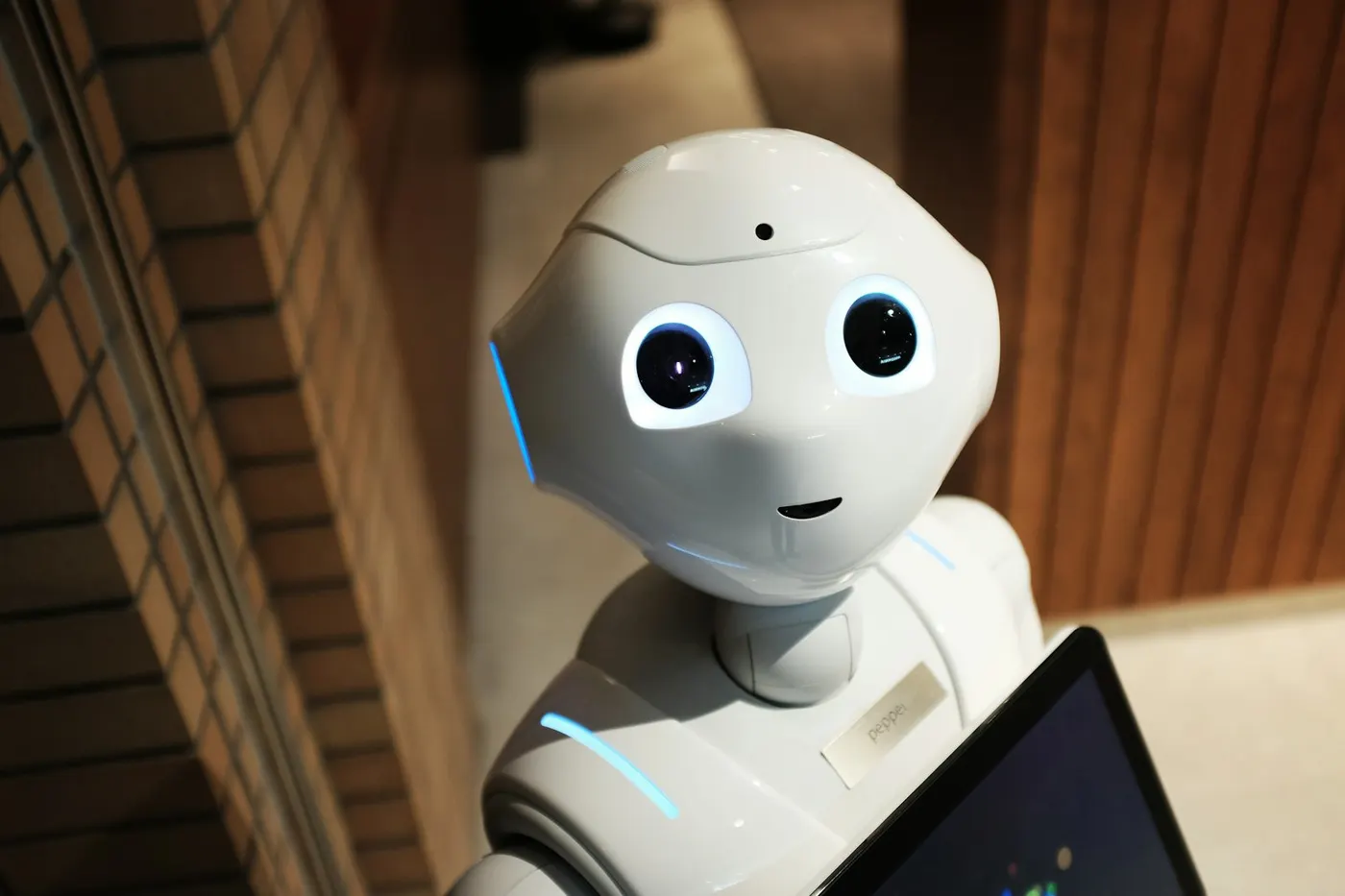
Google DeepMind detailed a robotics policy model trained heavily on teleoperated lab demonstrations rather than a consumer robot launch.
DeepMind’s robotics note is about teleop diets, not a robot in a box at Best Buy. The lab described a policy model trained with a heavy diet of human teleoperated demonstrations. The interesting number is not a marketing runtime. It is how much skilled human time still hides under “the robot learned.”
Why teleop volume matters
Robot learning talks often skip the boring ledger of demonstration hours. DeepMind’s write-up treats that labor as a first-class ingredient. If you run a robot learning stack, budget teleop explicitly. Cameras and GPUs are easy to purchase compared with patient operators who can show a motion worth cloning.
The tasks remain lab tasks. That is not a dunk; it is scope. Warehouse generalization is a different beast from a controlled cell. Read the paper for the task list before you extrapolate to your floor.
What practitioners should take
Copy the honesty about data, not a fantasy that demos are free. Instrument your own teleop pipeline. Track success rate against hours invested. When a vendor waves an end-to-end video, ask how many human kilometers of joystick time sat behind it.
DeepMind advanced a research stack and said the quiet part about demonstrations. That is more useful to builders than another sleek montage with no ingredients list.
Hiring implication
Robotics groups that under-hire teleoperators while over-hiring model specialists will reread this paper with recognition. Job ladders should value demonstration quality. Capture operator notes the same day, not a month later when nobody remembers why a grasp failed. DeepMind’s emphasis on teleop is a mirror. If your roadmap has no line item for human demonstration time, the roadmap is fiction.
Data contracts with operators
Pay teleoperators for annotated failures, not only for smooth demos. A grasp that almost worked is gold if someone writes why. Build a simple form: take ID, failure mode, lighting notes, object variability. Models learn from distribution. Your operators see distribution first. DeepMind’s paper is a reminder that joystick hours are research infrastructure. Budget and respect them accordingly.