
AI Boom Is Creating a Global Chip Supply Crunch for Smartphones and PCs Published: November 5, 2026 The rapid growth of artificial intelligence is creating new challenges for the g
AI Boom Is Creating a Global Chip Supply Crunch for Smartphones and PCs
Published: November 5, 2026
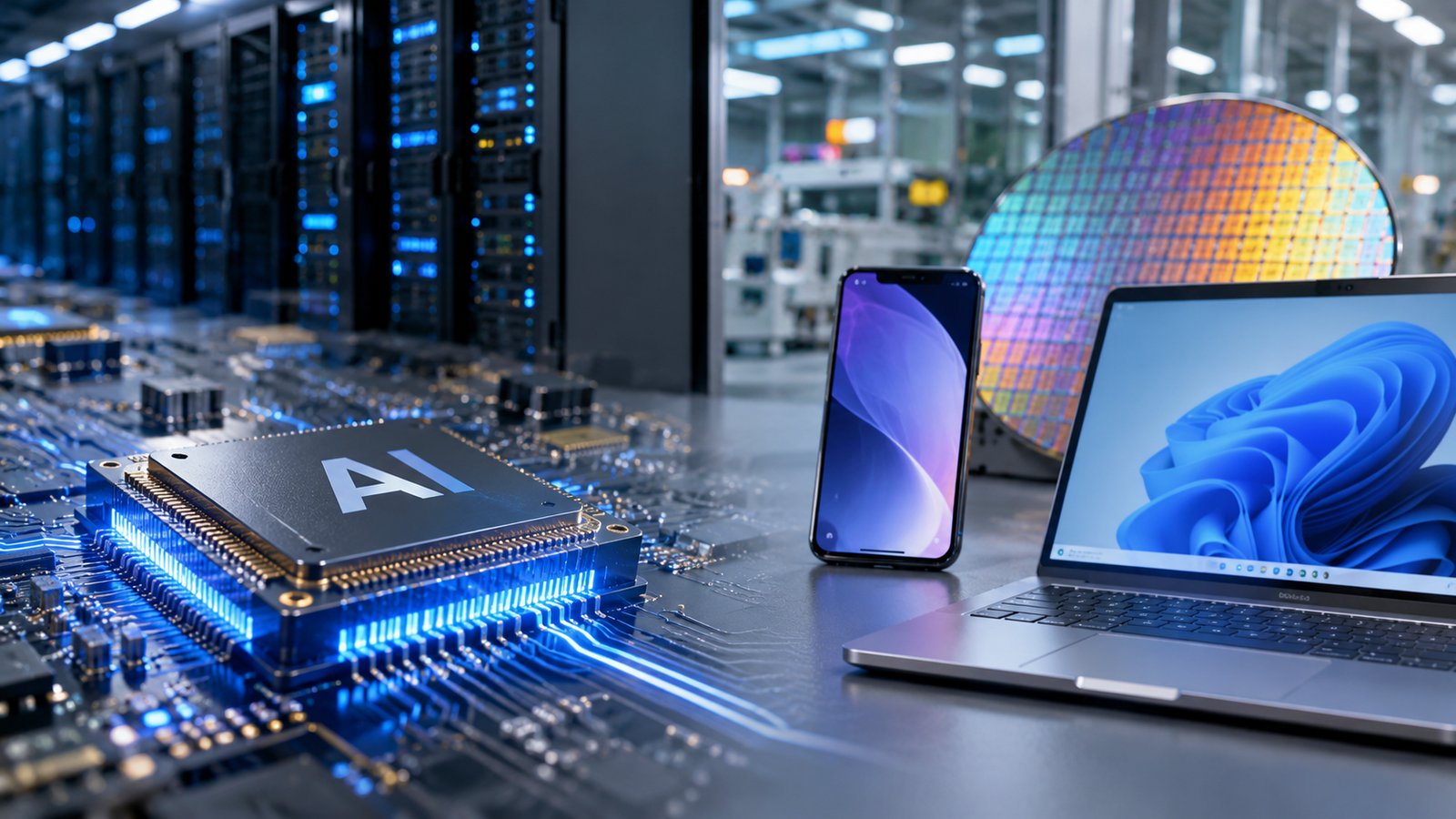
The rapid growth of artificial intelligence is creating new challenges for the global semiconductor industry. As technology companies invest billions of dollars in AI data centres, chip manufacturers are increasingly directing production capacity towards processors and components used in artificial intelligence infrastructure.
This shift is putting pressure on other technology markets, including smartphones and personal computers, according to a recent Reuters report citing Siltronic CEO Michael Heckmeier.
Why AI Companies Are Getting Priority
Major technology companies are building large data centres to support generative AI, cloud computing and advanced machine learning systems.
These facilities require powerful processors, high-performance memory and specialised semiconductor components. AI infrastructure companies also have significant purchasing power, making them attractive customers for chip manufacturers.
As a result, semiconductor suppliers are allocating more production capacity to AI-related applications instead of traditional electronics markets.
Smartphone and PC Markets Face Supply Pressure
The increasing demand for AI chips could make semiconductor supply more challenging for manufacturers of smartphones, laptops and desktop computers.
These products also depend on advanced chips for processors, memory, connectivity and other essential functions.
Siltronic CEO Michael Heckmeier told Reuters that some non-AI semiconductor markets could experience stronger growth if additional chip supply were available.
This suggests that the AI industry's expansion is not only creating opportunities but also changing how semiconductor resources are distributed across the technology sector.
AI Servers Require More Semiconductor Capacity
One important factor behind the growing demand is the amount of silicon required by modern AI infrastructure.
According to Heckmeier, AI server farms consume approximately three to four times more silicon area than traditional servers.
This increases demand for semiconductor wafers, which are essential materials used to manufacture computer chips.
As AI data centres expand globally, demand for these materials could remain strong and influence semiconductor production planning.
Siltronic Raises Its Annual Sales Forecast
German semiconductor wafer manufacturer Siltronic has raised its annual sales forecast for the second time in 2026, citing stronger demand for its products.
The development highlights how companies involved in the semiconductor supply chain are benefiting from growing AI infrastructure investment.
Siltronic supplies silicon wafers used in semiconductor manufacturing, making it an important part of the global chip production ecosystem.
Could Chip Supply Return to Consumer Electronics?
Although AI demand is currently driving semiconductor investment, the market could change if demand for AI infrastructure slows.
Heckmeier told Reuters that semiconductor production capacity could gradually shift back towards smartphones, PCs and other markets if AI demand moderates.
For now, however, he said the company does not see signs of a slowdown in AI demand.
What This Means for Technology Consumers
The changing semiconductor market is worth watching for consumers and technology businesses.
If supply constraints continue, smartphone and computer manufacturers may face challenges in securing the components they need. Depending on production costs and availability, these pressures could influence product launches, manufacturing decisions and pricing.
However, a direct increase in consumer device prices is not guaranteed. The impact will depend on semiconductor availability, manufacturer inventories and market demand.
Final Thoughts
Artificial intelligence is transforming more than software and digital services. It is also reshaping the global semiconductor supply chain.
As AI companies continue expanding their data centres, competition for advanced chips and semiconductor materials is increasing.
The coming years will show how manufacturers balance the growing needs of AI infrastructure with the demand for everyday technology products such as smartphones, laptops and personal computers.