
Published: November 5, 2026 Hundreds of thousands of advanced artificial intelligence chips from Nvidia are reportedly sitting in Hong Kong while technology companies in mainland C
Published: November 5, 2026
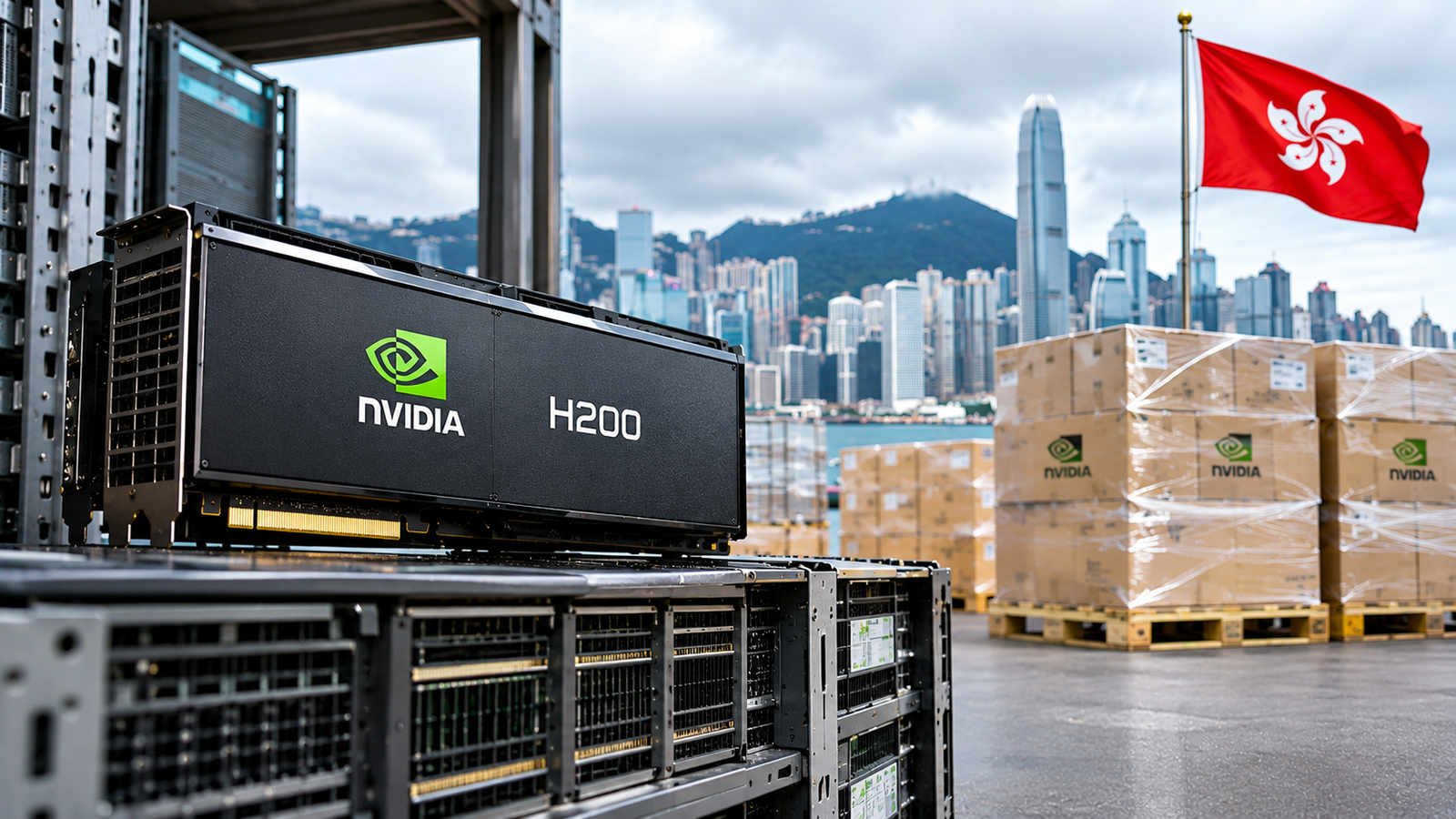
Hundreds of thousands of advanced artificial intelligence chips from Nvidia are reportedly sitting in Hong Kong while technology companies in mainland China wait for approval to import them. The situation highlights growing tensions between the United States and China over access to advanced semiconductor technology.
According to a November 5 Reuters report, approximately 600,000 Nvidia H200 AI processors are reportedly being held in Hong Kong because Chinese authorities have not approved large-scale imports.
Why Are Nvidia H200 Chips Important?
The Nvidia H200 is a powerful artificial intelligence processor designed for demanding computing workloads, including training large language models, running generative AI systems and supporting advanced data centres.
Although Nvidia has introduced newer products, the H200 remains valuable because of its performance and compatibility with Nvidia's established CUDA software ecosystem.
Chinese technology companies are interested in these processors because they can help accelerate AI development and reduce the computing time required for complex machine learning tasks.
Why Is China Restricting AI Chip Imports?
The situation is connected to broader technology and trade tensions between Washington and Beijing.
The United States has maintained restrictions on exports of advanced semiconductor technology to China, citing national security concerns. Although certain sales of Nvidia H200 processors to approved Chinese customers have been permitted under changing US export policies, Beijing has also maintained its own controls.
Chinese authorities are encouraging domestic technology companies to prioritise locally developed AI processors and reduce dependence on foreign semiconductor suppliers.
Chinese Companies Still Need Advanced AI Processors
Despite efforts to develop domestic semiconductor technology, demand for powerful AI processors remains high among Chinese technology companies.
Advanced GPUs are essential for training sophisticated AI models, operating large-scale cloud computing platforms and developing enterprise AI applications.
The Reuters report also highlighted demand for Nvidia hardware through alternative supply channels, reflecting the continuing interest in high-performance computing equipment.
Impact on the Global AI Industry
The situation could have implications for the global semiconductor market. Restrictions on advanced chip exports can affect manufacturers, cloud computing providers, AI developers and data centre operators.
For Nvidia, China represents an important market opportunity, although regulatory restrictions make future sales more uncertain.
Meanwhile, Chinese semiconductor manufacturers have an opportunity to expand their domestic market share by developing processors that can compete with international products.
Can China Replace Nvidia Chips?
China has been investing heavily in domestic semiconductor development. Local companies are working to improve GPU performance, chip manufacturing capabilities and AI computing infrastructure.
However, replacing Nvidia's complete ecosystem is a significant challenge. Hardware performance, software compatibility, developer support and manufacturing capacity all play important roles in the AI semiconductor market.
Developing competitive alternatives will require continued investment in research, engineering and advanced manufacturing.
What Happens Next?
The future of Nvidia's AI chip business in China will depend on regulatory decisions in both countries. Changes in export policies, import approvals and trade negotiations could influence whether the processors currently held in Hong Kong reach their intended customers.
The situation also demonstrates how geopolitical decisions are increasingly influencing the development of artificial intelligence and the global technology supply chain.
Final Thoughts
The reported 600,000 Nvidia H200 processors waiting in Hong Kong illustrate the growing complexity of the global AI chip market.
As artificial intelligence investment continues to expand, access to advanced semiconductor technology is becoming a major economic and strategic issue. The competition between American and Chinese technology companies will likely remain an important story for the global AI industry.